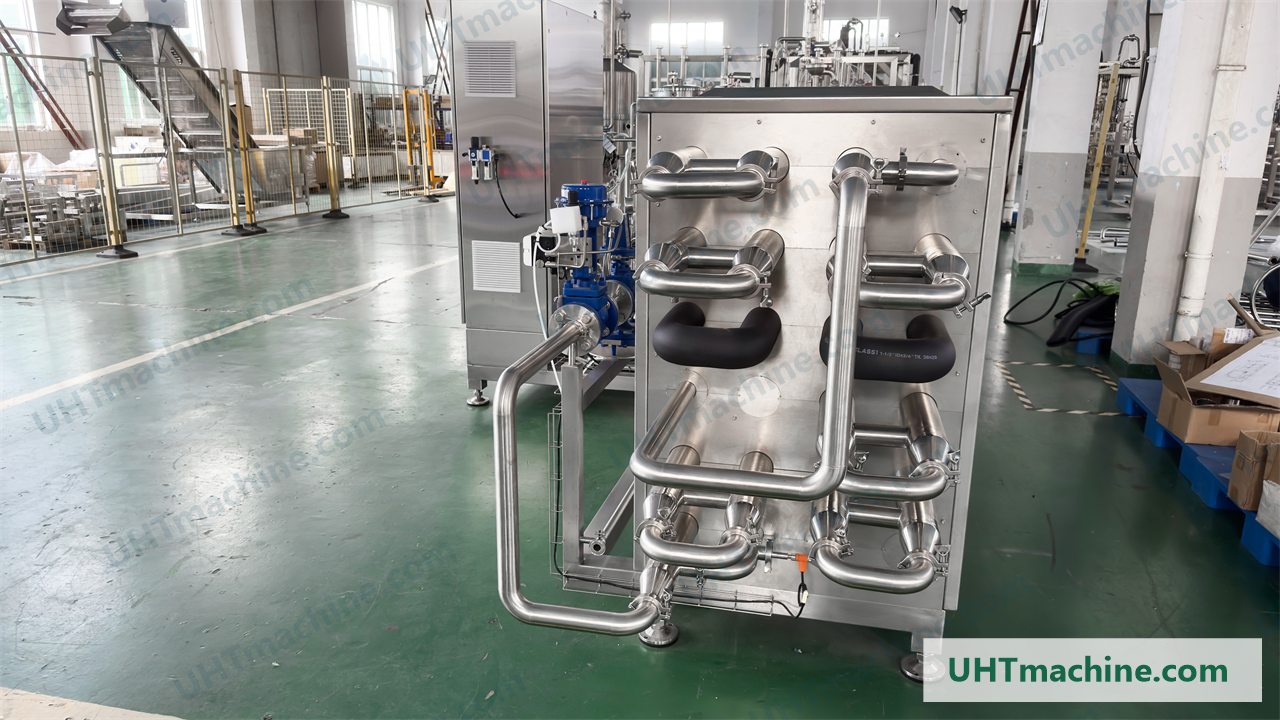
Tubular
Tubular UHT Sterilizer
Common choice for milk, juice, tea drinks, and pumpable liquid foods that need stable continuous processing.
Open the tubular UHT guideUHT selection hub · Liquid-food processing
Choose a heating route for milk, beverages and pumpable foods. Compare plate, tubular, tube-in-tube, direct and lab/pilot systems, then define the equipment, filling connection and acceptance scope for your quotation.
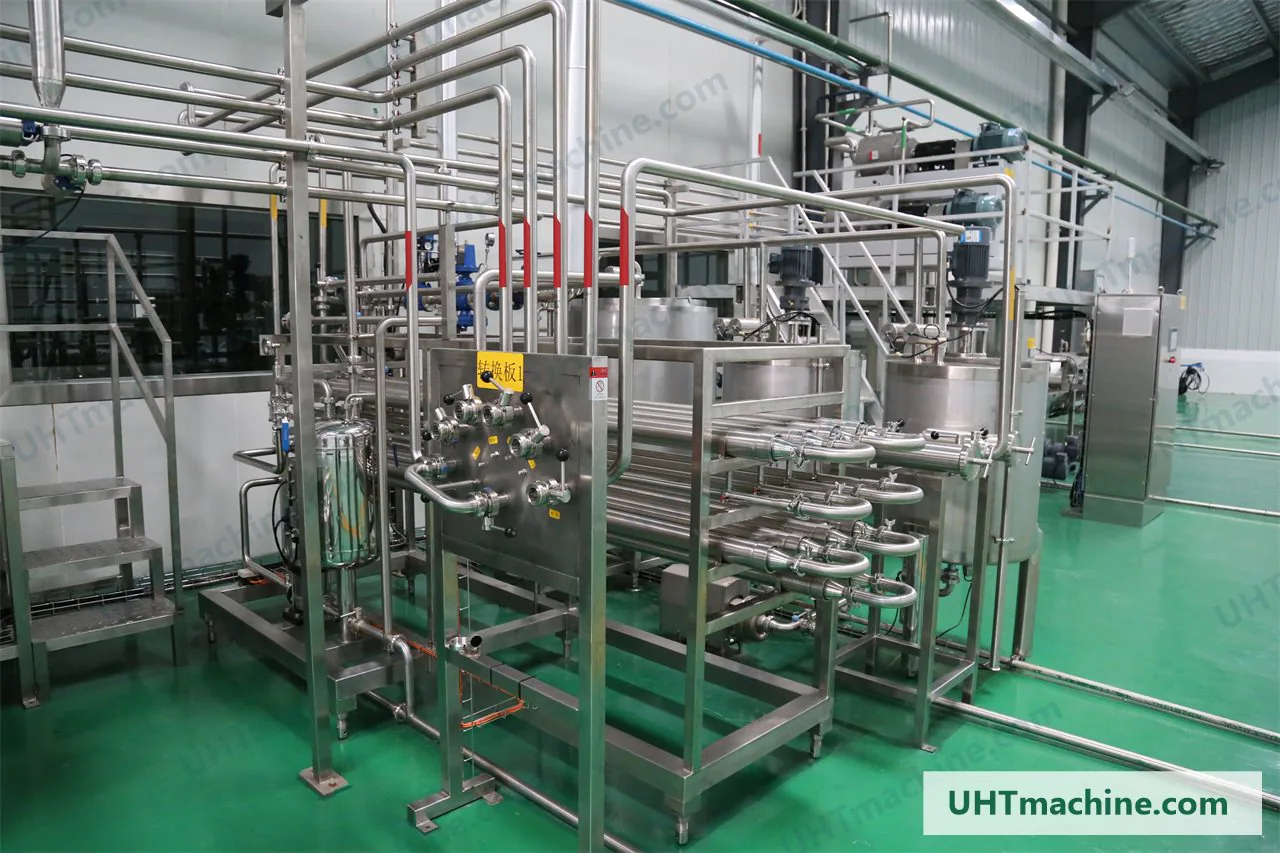
Start with the product duty
Choose an ultra high temperature sterilization machine by its product duty. Read across viscosity, particles, fouling, product quality, output and filling. Each row is a starting point for a duty review, not a machine guarantee.
Scroll across the table to compare all selection criteria.
| Route | Viscosity & particles | Fouling & cleaning | Quality & heat load | Capacity & aseptic interface |
|---|---|---|---|---|
| Plate | Review for low-viscosity liquids; particles must fit the selected plate passages. | Check deposition, pressure rise and plate/gasket cleaning access. | Compare the complete heating and cooling profile, including regeneration. | Rate the duty at the product pressure drop; agree the sterile outlet and filler pressure. |
| Tubular | Specify tube geometry, rheology and permitted particle size and concentration. | Require a product-run fouling basis and a defined CIP circuit. | Review residence-time distribution and heat recovery at the actual flow. | Match flow range, holding section and buffer strategy to the packaging line. |
| Tube-in-Tube | Review annular passage and pump duty for viscous or particulate foods. | Evaluate wall deposition, pressure loss, drainability and cleaning velocity. | Check heating uniformity and particle/core treatment where relevant. | Confirm stable flow, product stress and transfer losses through the whole route. |
| Direct steam | Evaluate injection or infusion with the formulation and direct-contact steam. | Include injector/infuser, vacuum section and all sterile surfaces in the cleaning review. | Account for steam addition, flash cooling and composition; shorter heating is not proof of better product quality. | Balance steam, vacuum and product flow; define the full sterile boundary to the filler. |
| Lab / Pilot | Use representative material and record sampling and hold-up limits. | Include run length, changeover losses and repeatable cleaning in the trial. | Record measured temperature, pressure and flow; a display value alone does not establish lethality. | Separate a single lab unit from an integrated trial line; document scale-up assumptions. |
Choosing a single laboratory unit? See the lab UHT equipment range. Connecting mixing, homogenization, heat treatment and sampling? Explore the integrated pilot platform.
UHT machine types
Use equipment images to frame layout questions, then confirm the proposed model, capacity, product-contact materials, and included scope in the quotation.
Common choice for milk, juice, tea drinks, and pumpable liquid foods that need stable continuous processing.
Open the tubular UHT guide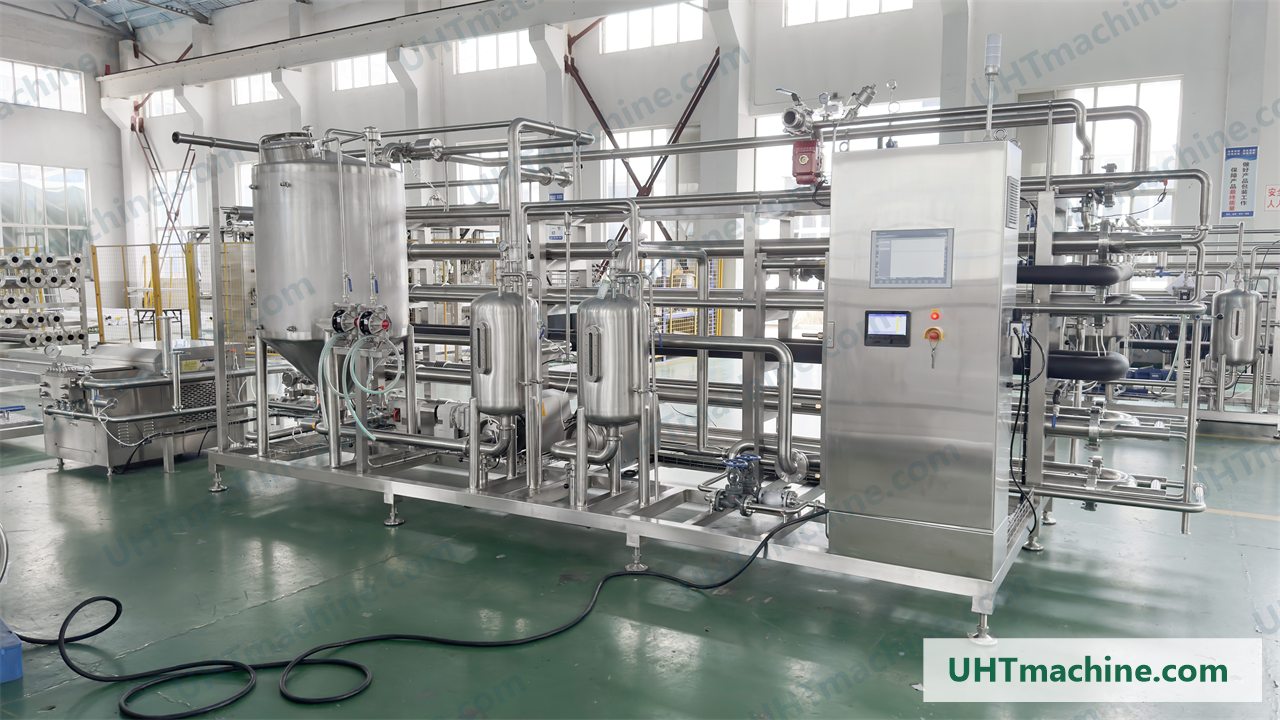
Used for higher-viscosity products, sauces, puree, syrup, and formulas where flow behavior matters.
Open the tube-in-tube guide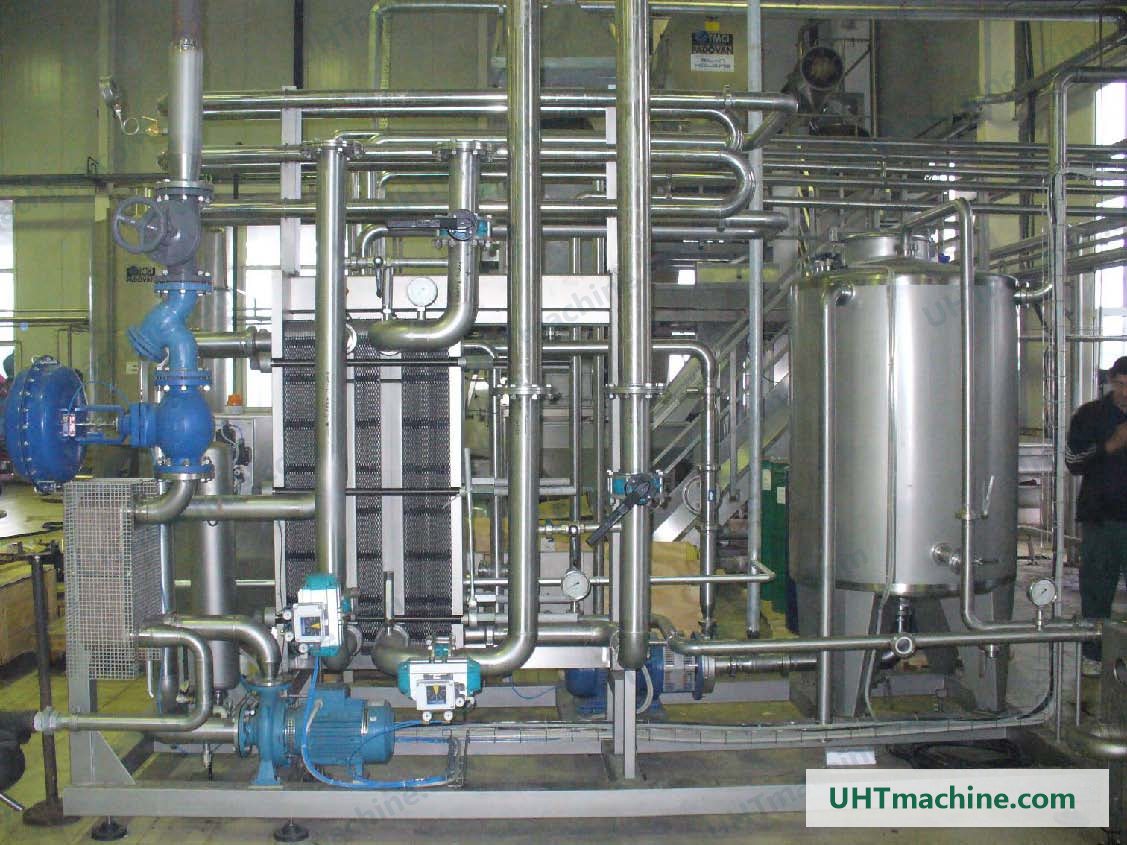
Suitable for low-viscosity liquid products where compact heat exchange and efficient energy recovery are priorities.
Open the plate UHT guide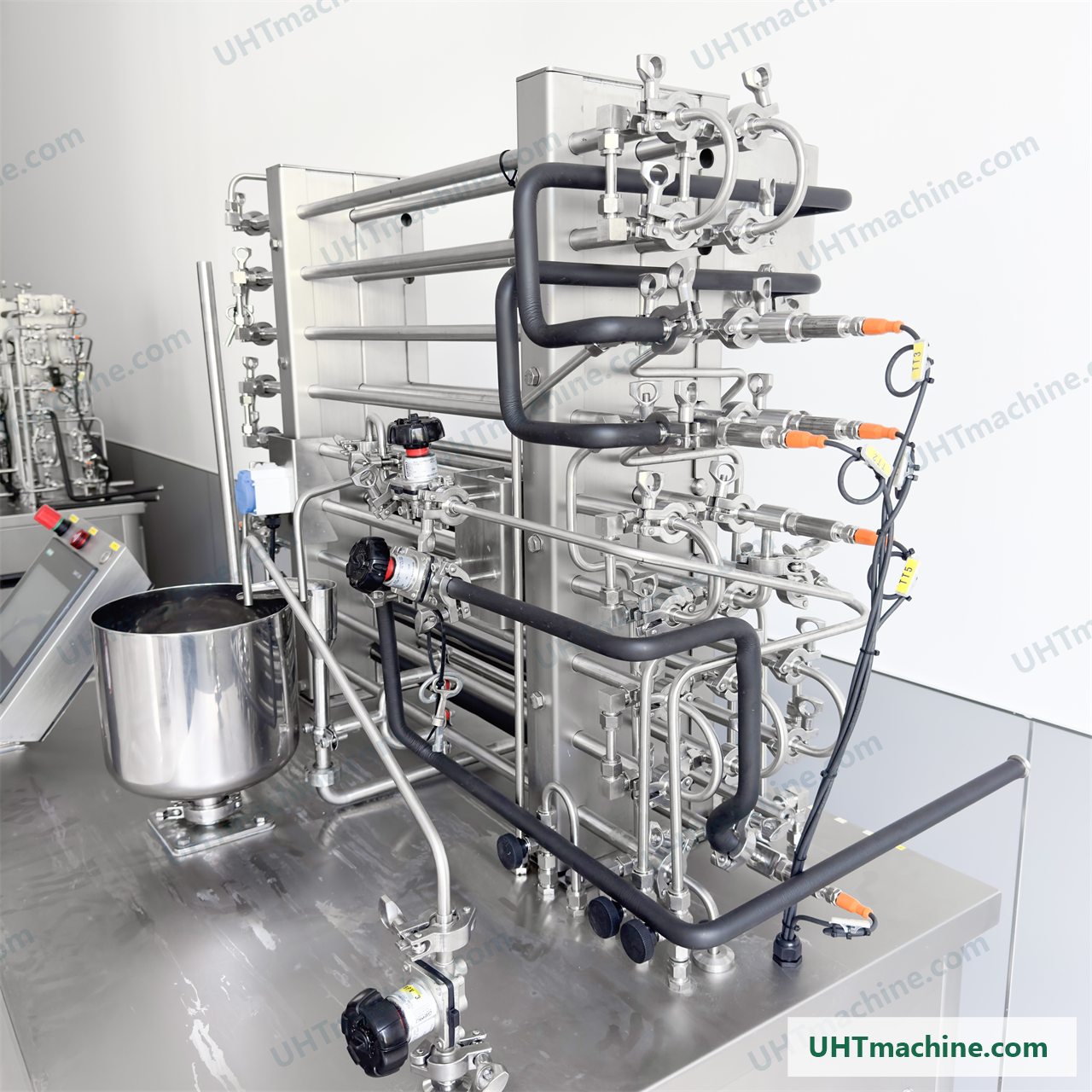
Supports formula screening, pilot evidence, small-batch testing, and process development before production investment.
Open the lab UHT guideApplication matrix
Milk UHT processing, a juice sterilization machine and a viscous-food line need different product and packaging information.
| Product family | What changes the selection | Start the review |
|---|---|---|
| Milk & dairy drinks | Composition, stability, homogenization position, heat profile and sterile packaging. | Milk UHT requirements |
| Juice, tea & coffee | Acidity, pulp, suspended solids, quality target and hot-fill versus aseptic storage route. | Juice and RTD requirements |
| Plant-based drinks | Protein/starch behavior, solids, viscosity, emulsion stability and deposition observed in trials. | Plant-based product review |
| Sauce, puree & syrup | Rheology at temperature, particles, pump duty, pressure drop and cleanable passages. | Viscous-food equipment fit |
| Liquid egg & other foods | Product-specific heat sensitivity and the validated preservation process; UHT is not a universal choice. | Process-validation evidence |
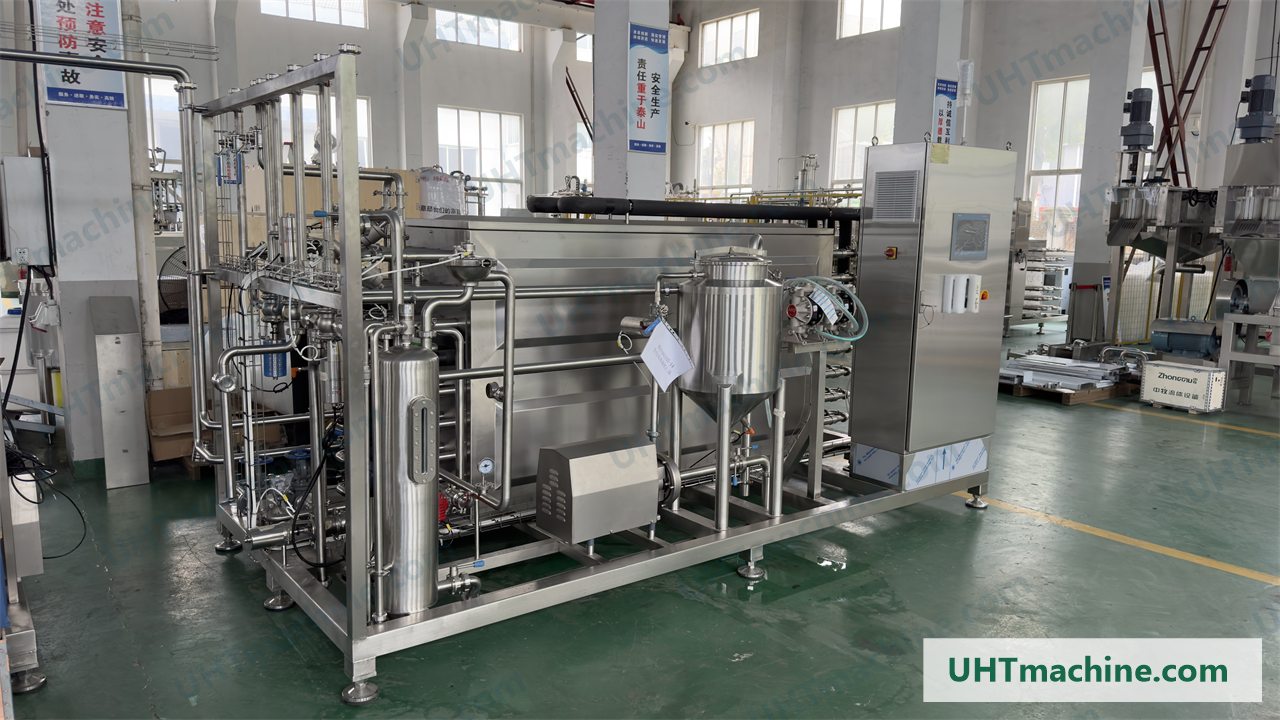
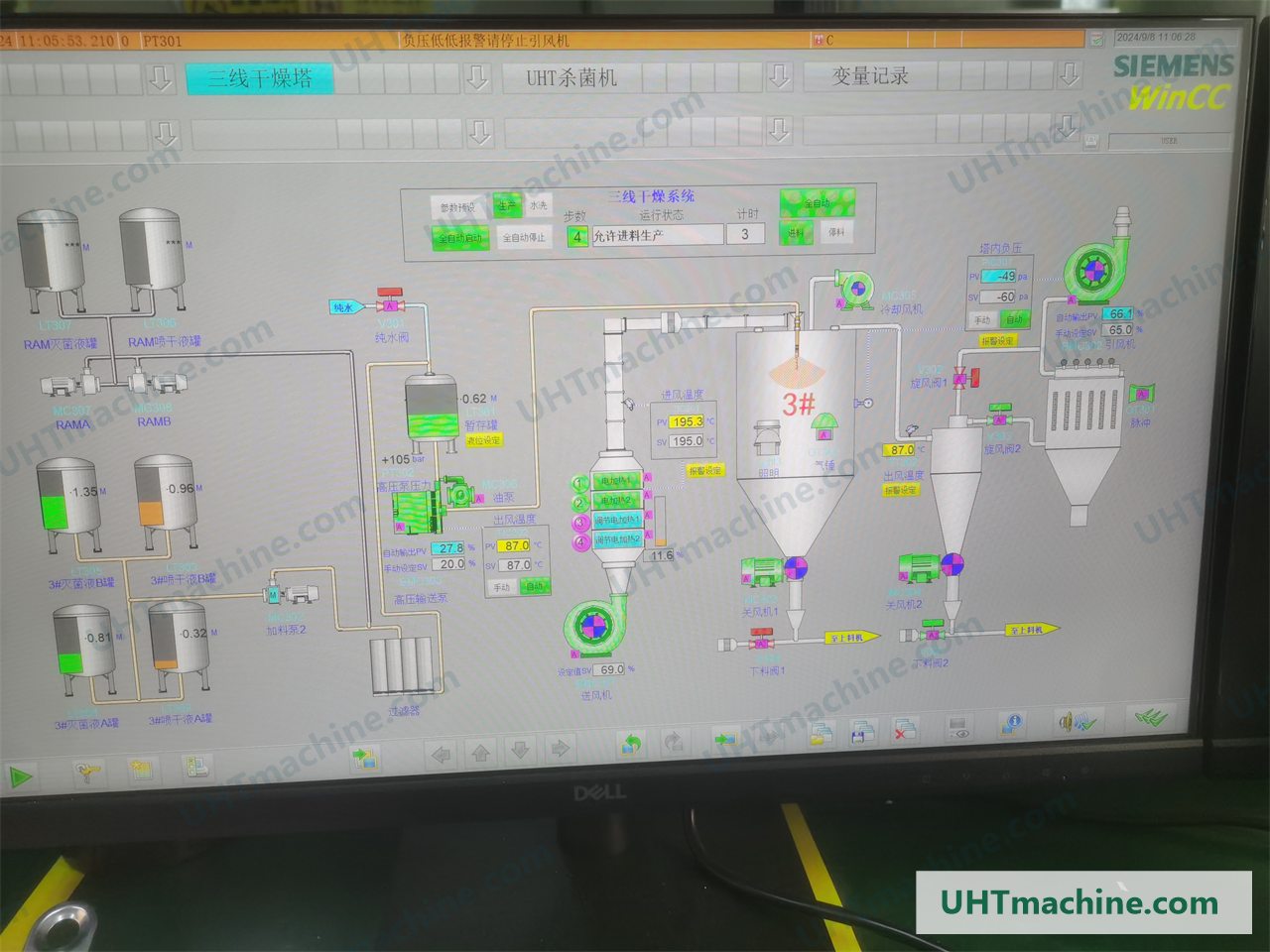
From equipment detail to an agreed supply scope
Use model-specific documents and a FAT protocol to connect the quoted equipment to its process duty, delivery scope and service responsibilities.
Technical knowledge hub
Use these technical guides to compare exchanger formats, product fit, direct or indirect heating, specification inputs, supplier documents, cleaning, capacity, and line-integration responsibilities.
Steam contact, composition and complete heat profiles.
02 · Equipment fitHeat exchanger comparisonOne product duty sheet for competing exchanger formats.
03 · Connected lineUHT to filler integrationCapacity balance, readiness and sterile-interface ownership.
04 · AcceptanceSupplier documents and FATTest material, measurements and handover deliverables.
05 · Comparable quotesQuotation scope and worksheetComplete the same specification before comparing prices.
06 · Operating outputCapacity and production scheduleConnect the rated flow to the accepted packaged output.
For process limits and return to production, review temperature and holding-time validation and the CIP cleaning boundary.
Technical parameters
View Technical Parameters & download a blank specification worksheet →
Complete the project inputs, units and evidence behind each requirement. Model ratings and process acceptance belong to the quotation and validation documents.
| Product envelope | Composition, measured viscosity, particles, acidity and the product-quality target. |
|---|---|
| Operating duty | Required accepted output, flow range, inlet/outlet conditions, production schedule and cleaning window. |
| Process basis | Heating route, scheduled-process responsibility, holding section and verification measurements. |
| Aseptic boundary | Filler and package, sterile buffer, pressure range, CIP/SIP circuits and interface ownership. |
| Supply scope | Materials, utilities, controls, records, FAT, installation, commissioning and exclusions. |
Process flow
The product path below is a planning sequence, not a validated scheduled process. CIP, sterile preparation, and production are separate operating states that must be defined for the actual line.
Stable feeding helps protect temperature control and downstream line rhythm.
Energy recovery and preheating prepare the product for final sterilization.
The product reaches the configured ultra-high temperature condition.
The holding section is configured for the required process target and flow behavior.
Product is cooled while the validated sterile boundary and required pressure conditions are maintained.
Product transfers under validated aseptic conditions to an aseptic tank or filling system with defined interface responsibilities.
Plan a product run
A reference photograph is not evidence of a delivered project. Use the product guides to prepare a trial, then agree which measurements support the equipment choice.
FAQ
A UHT machine rapidly heats and briefly holds a pumpable liquid food, then cools and transfers it within a validated aseptic boundary to an aseptic tank or filling system. The scheduled process and downstream sterile system must be validated together for the product and package.
Start with required saleable output, filler speed, production hours, changeovers, cleaning time, expected losses, turndown, and expansion plans. Compare quotations using the same operating basis.
Define the validated sterile boundary, flow and pressure range, buffer strategy, valves, sterilization sequence, control signals, failure states, and responsibility for the UHT-to-filler interface before quotation.
Provide product type, composition notes, viscosity and particles if known, target output, package and filler data, operating schedule, utilities, cleaning requirements, applicable standards, and required delivery services.
Inquiry
Share the minimum project information needed to compare a relevant configuration: product, target output, package type, operating schedule, utilities, and project stage.