Document the process basis
Record product composition, viscosity at process temperature, particle limits, acidity, heat sensitivity, target output, package format, and required shelf-life validation.
UHT process selection for liquid foods
Compare tubular, plate, tube-in-tube, and pilot UHT systems around your product, required output, fouling risk, cleaning plan, utilities, and aseptic filling interface before requesting a project-specific quotation.
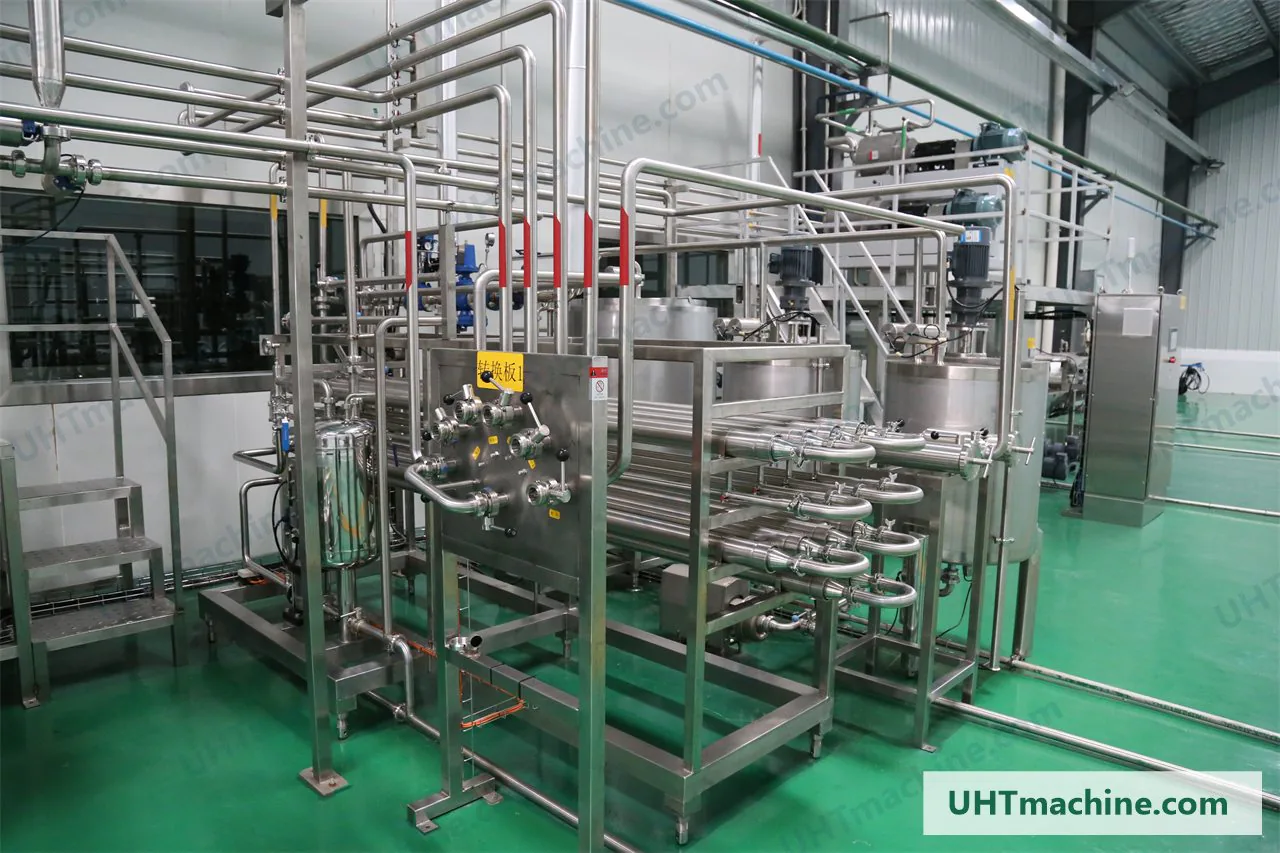
Quotation checks & delivery scope
A credible proposal should connect its performance commitments to model-specific documents, an agreed process basis, and a clear responsibility boundary. Ask the supplier to document the quoted duty, operating limits, and acceptance criteria for your project.
Record product composition, viscosity at process temperature, particle limits, acidity, heat sensitivity, target output, package format, and required shelf-life validation.
Request the product-contact material grade, surface-finish requirement, valve and gasket schedule, cleanability review, weld documentation, and applicable sanitary standard.
Specify critical temperature and flow points, diversion logic, alarms, data retention, recipe control, CIP interlocks, and communications with upstream and downstream equipment.
List what FAT proves, which utilities and interfaces are excluded, who installs and validates the line, what training is included, and which documents must ship with the equipment.
Product overview
A UHT machine, also called a UHT sterilizer or ultra high temperature sterilization machine, heats liquid food quickly, holds it for a controlled time, and cools it for downstream processing. For buyers, the important questions are product fit, capacity, heat sensitivity, cleaning, and filling integration.
A useful quotation should state the selected heat exchanger, guaranteed operating range, product limits, utility demand, control and instrumentation scope, cleaning method, filling interface, validation boundary, and exclusions. Ask for written evidence rather than relying on a generic capacity label.
UHT machine types
Use equipment images to frame layout questions, then confirm the proposed model, capacity, product-contact materials, and included scope in the quotation.
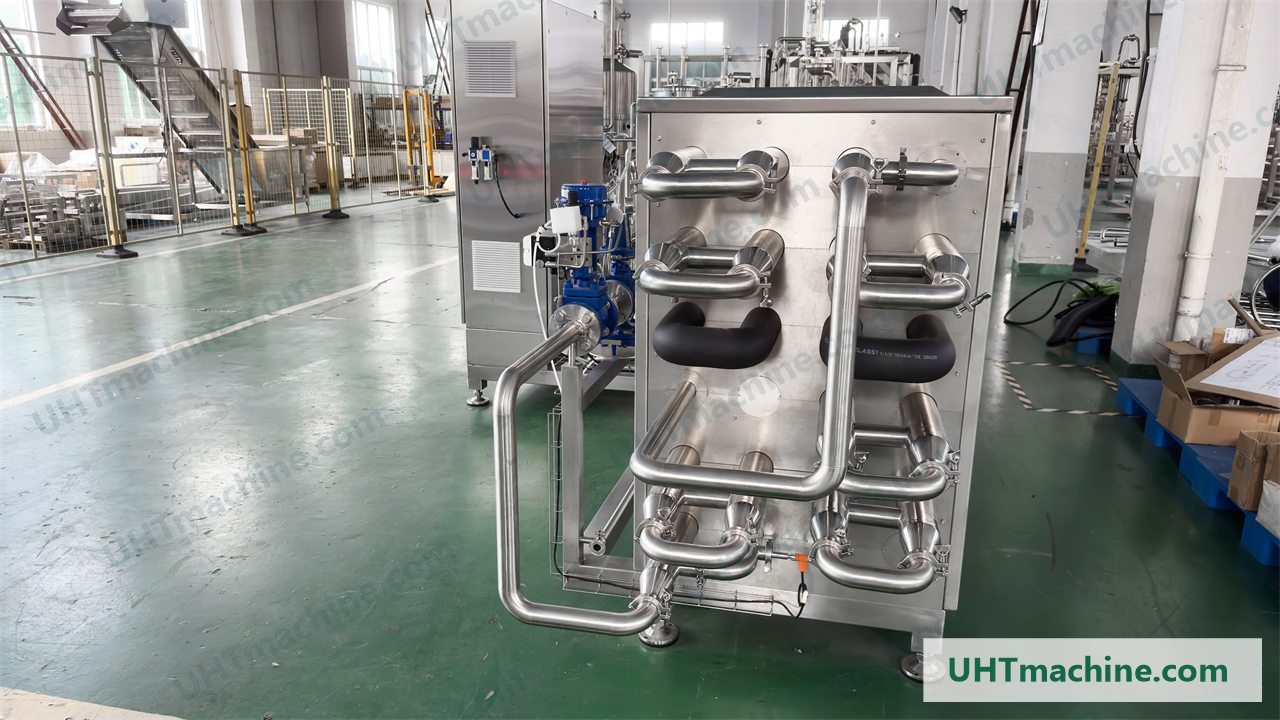
Common choice for milk, juice, tea drinks, and pumpable liquid foods that need stable continuous processing.
Open the tubular UHT guide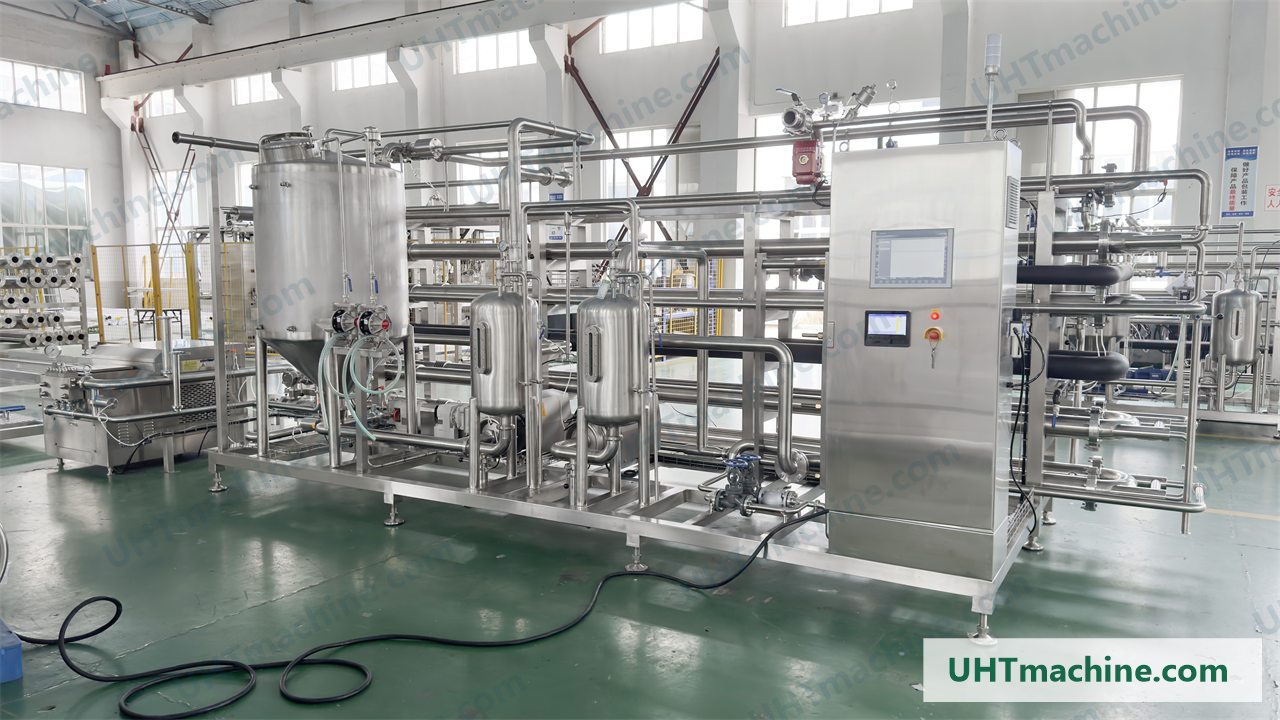
Used for higher-viscosity products, sauces, puree, syrup, and formulas where flow behavior matters.
Open the tube-in-tube guide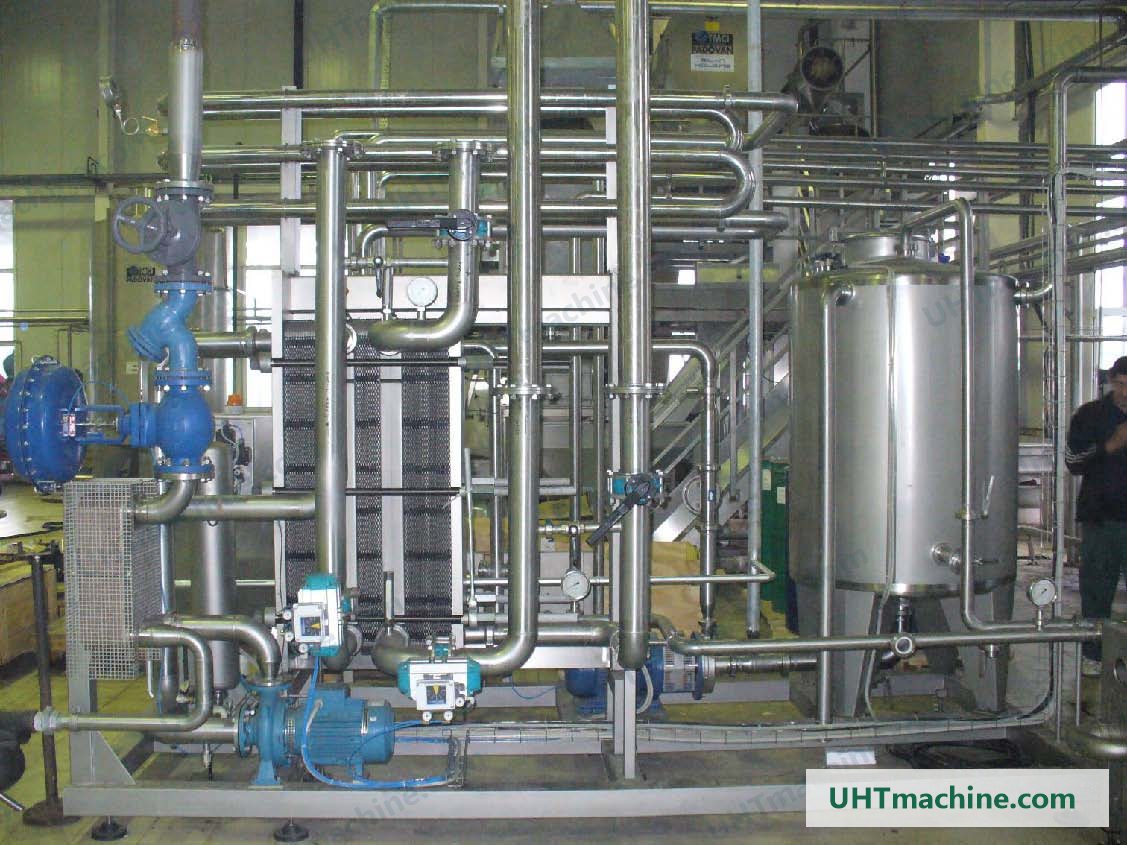
Suitable for low-viscosity liquid products where compact heat exchange and efficient energy recovery are priorities.
Open the plate UHT guide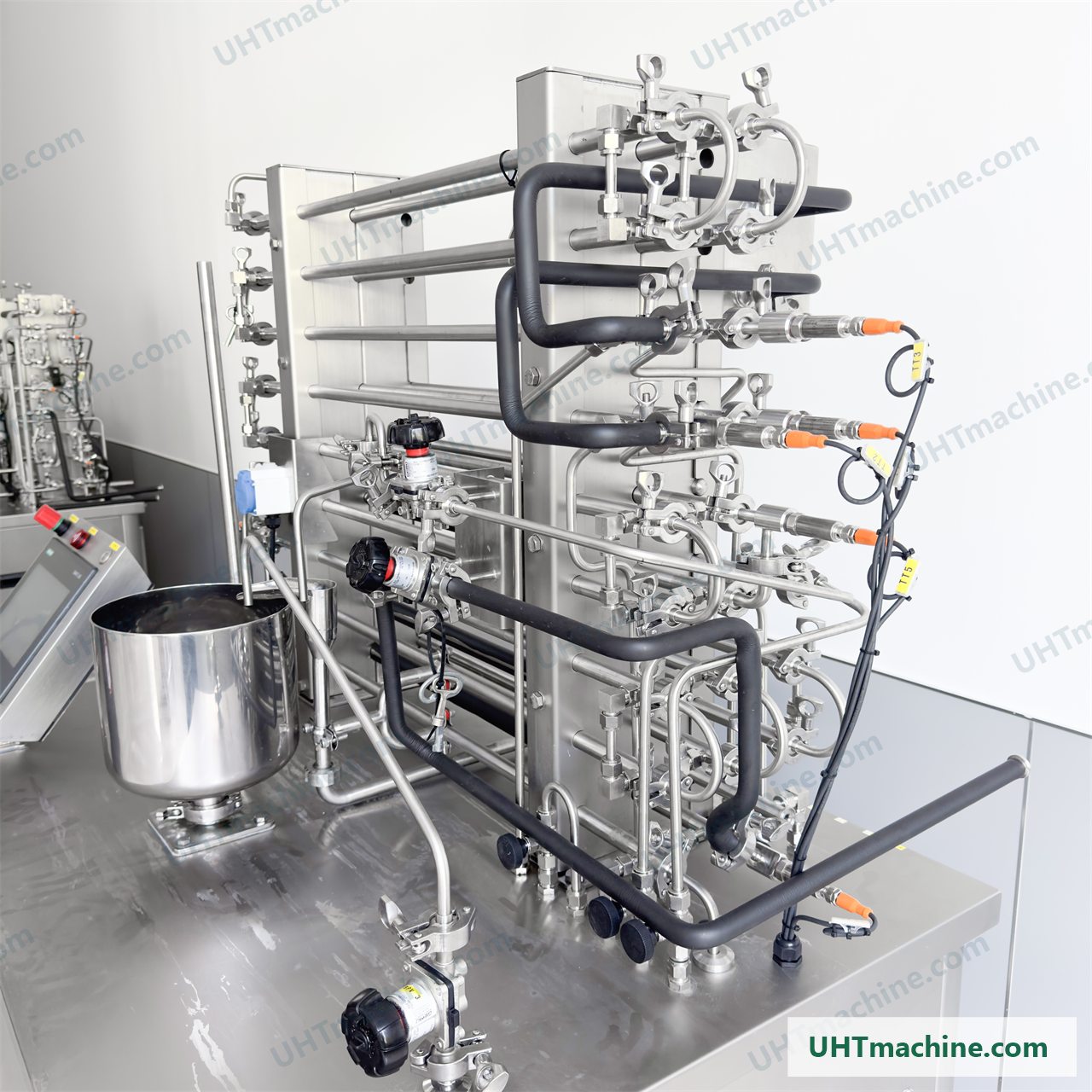
Supports formula screening, pilot evidence, small-batch testing, and process development before production investment.
Open the lab UHT guideApplications
Different liquid foods create different engineering questions. The first quote should start with product behavior, not only machine size.
Typical milk UHT processing focuses on commercial sterility, flavor impact, homogenization, and aseptic filling coordination.
Plan a milk UHT lineJuice sterilization machine selection depends on acidity, pulp level, color stability, and package format.
Compare juice and RTD dutiesPlant-based drink UHT machine designs should consider suspended solids, protein stability, viscosity, and cleaning needs.
Plan a plant-based UHT lineHigher-viscosity products may need tubular or scraped-surface configurations, stronger pumping, and careful holding design.
RTD lines often prioritize color, aroma, sugar content, batch changeover, and aseptic filling line integration.
Special liquid foods require a review of heat sensitivity, fouling behavior, sanitary risk, and target shelf-life conditions.
Technical parameters
These are specification fields, not guaranteed values. The final scheduled process must be set and validated for the product, package, target market, and applicable food-safety requirements.
| Guaranteed capacity | State the product, inlet condition, operating hours, filler rate, cleaning allowance, and acceptable turndown used for the guarantee |
|---|---|
| Scheduled process | Define sterilization temperature, holding time, flow-diversion logic, and validation authority for each product family; use the temperature and holding-time guide to prepare the evidence request |
| Product limits | Record viscosity at temperature, particle size and concentration, acidity, solids, heat sensitivity, and expected fouling behavior |
| Product type | Milk, juice, tea, coffee, plant-based drinks, sauces, puree, syrup, liquid egg |
| Contact materials | Specify material grades, surface finish, elastomers, valve types, weld documentation, and the sanitary standard used for acceptance |
| Heating method | First compare direct with indirect heating. For indirect systems, compare plate, single- or multi-tube tubular, and concentric tube-in-tube geometry against product quality, pressure drop, fouling, energy recovery, and cleaning needs |
| Control system | List instruments, critical alarms, diversion and interlock logic, recipe permissions, data records, and remote-access boundaries |
| CIP and SIP boundary | Define circuits, flow and temperature criteria, chemicals, return path, sterile-water sequence, validation points, and excluded equipment |
| Filling integration | Freeze flow, pressure, aseptic buffer, valve, communication, cleaning, and responsibility interfaces with the selected filler |
| Utilities and scope | Request steam, water, cooling, electricity, compressed-air demand plus installation, FAT, commissioning, training, spares, and exclusions |
Process flow
The product path below is a planning sequence, not a validated scheduled process. CIP, sterile preparation, and production are separate operating states that must be defined for the actual line.
Stable feeding helps protect temperature control and downstream line rhythm.
Energy recovery and preheating prepare the product for final sterilization.
The product reaches the configured ultra-high temperature condition.
The holding section is configured for the required process target and flow behavior.
Product is cooled while the validated sterile boundary and required pressure conditions are maintained.
Product transfers under validated aseptic conditions to an aseptic tank or filling system with defined interface responsibilities.
Planning scenarios
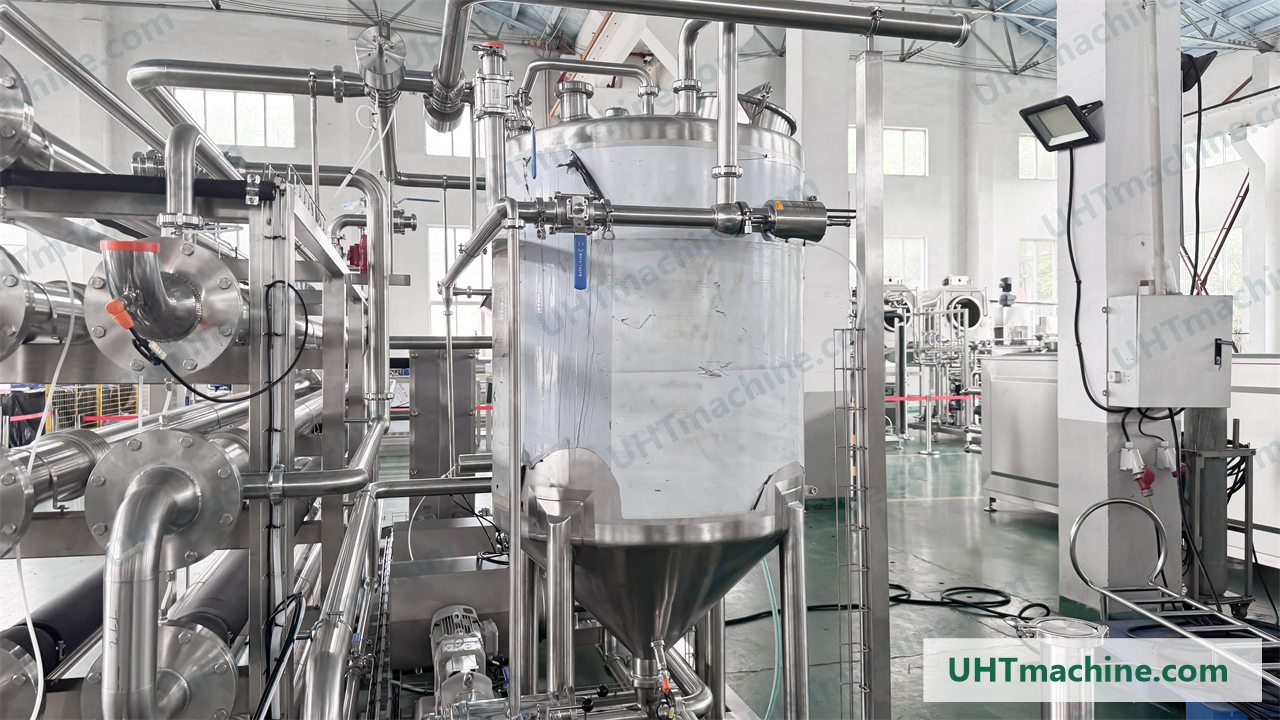
Need: A validated UHT process and sterile transfer to an aseptic packaging system.
Configuration focus: Capacity, homogenization interface, heat load, and aseptic filling connection.
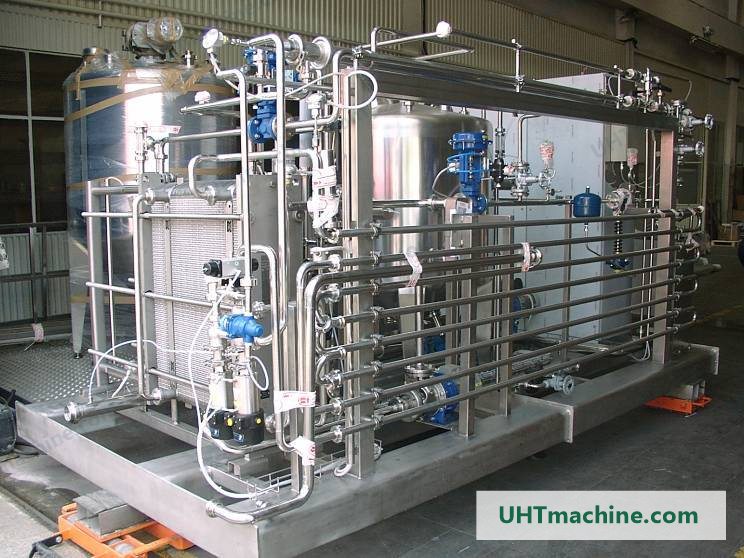
Need: Beverage sterilization with color and flavor control.
Configuration focus: Acidity, sugar level, pulp content, filling speed, and cleaning schedule.
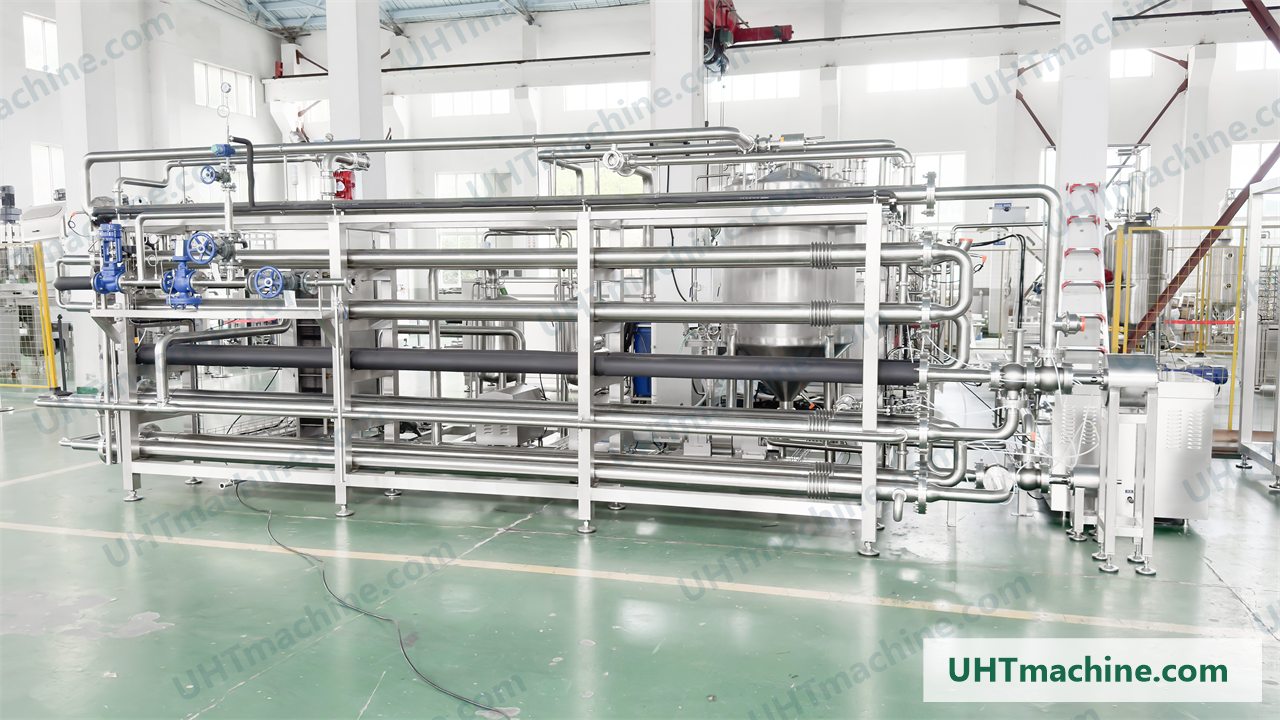
Need: Formula-specific heat treatment, stability control, and sterile transfer.
Configuration focus: Solids, protein and starch behavior, viscosity, homogenization, fouling, cleaning, and package.
Technical knowledge hub
Use these technical guides to compare exchanger formats, product fit, direct or indirect heating, specification inputs, supplier documents, cleaning, capacity, and line-integration responsibilities.
Identity, data sheets, hygienic construction, controls, FAT, commissioning, and scope evidence.
Product typeTubular UHT SterilizerUse cases, quotation inputs, CIP, and aseptic filling considerations.
Product typePlate UHT SterilizerLow-viscosity product fit, compact heat exchange, and selection risks.
Product typeTube-in-Tube UHT SterilizerViscous foods, sauces, puree, pump selection, and fouling questions.
Pilot scaleLab UHT SterilizerFormula screening, process development, and scale-up evidence.
Heating methodDirect vs Indirect UHTCompare steam injection or infusion with surface heat exchange, including product, utility, recovery, and validation boundaries.
Format comparisonPlate vs Tubular vs Tube-in-Tube UHTCompare product flow, particles, fouling, cleaning, pressure drop, line duty, and the evidence needed for selection.
ApplicationUHT Machine for MilkDairy process factors, homogenization interface, and aseptic filling planning.
ApplicationUHT for Plant-Based DrinksFormula behavior, homogenization, fouling, changeover, CIP, and aseptic filling decisions.
ApplicationUHT for Juice and RTD BeveragesAcidity, pulp, heat sensitivity, exchanger choice, package, and beverage-line planning.
ValidationTemperature and Holding TimeFlow evidence, holding sections, instruments, diversion, process authority, sterile zones, and records.
Buying guideUHT Machine Price GuideScope normalization, lifecycle cost, quotation dates, currency, exclusions, FAT, and commissioning.
Buying guideCapacity SelectionHow to size a UHT line around filling speed, shifts, cleaning, and expansion.
HygieneUHT Sterilizer CIP CleaningCleaning flow, residue, temperature program, chemicals, and automation checks.
IntegrationUHT Process Flow and Aseptic Filling IntegrationComplete process flow, line balance, sterile boundary, controls, CIP, and scope responsibilities.
FAQ
A UHT machine rapidly heats and briefly holds a pumpable liquid food, then cools and transfers it within a validated aseptic boundary to an aseptic tank or filling system. The scheduled process and downstream sterile system must be validated together for the product and package.
Start with required saleable output, filler speed, production hours, changeovers, cleaning time, expected losses, turndown, and expansion plans. Compare quotations using the same operating basis.
Suppliers may propose different heat exchangers, holding sections, materials, controls, cleaning circuits, and filling interfaces. Accept a configuration only after product limits, performance guarantees, validation responsibility, and exclusions are documented.
The proposal should define cleaning circuits, target flow, temperature, time, chemicals, return path, instruments, interlocks, acceptance criteria, and which connected equipment is outside the CIP boundary.
Define the validated sterile boundary, flow and pressure range, buffer strategy, valves, sterilization sequence, control signals, failure states, and responsibility for the UHT-to-filler interface before quotation.
Provide product type, composition notes, viscosity and particles if known, target output, package and filler data, operating schedule, utilities, cleaning requirements, applicable standards, and required delivery services.
Normalize the process scope, materials, controls, utilities, filling interface, documentation, FAT, freight, installation, commissioning, validation support, spares, and lifecycle costs before comparing quotations.
Verify the legal supplier identity, model-specific data sheet, process guarantee, material and instrumentation list, utility schedule, FAT protocol, delivery scope, and service responsibilities. Treat references and performance claims as unverified until supporting documents are reviewed.
Inquiry
Share the minimum project information needed to compare a relevant configuration: product, target output, package type, operating schedule, utilities, and project stage.